
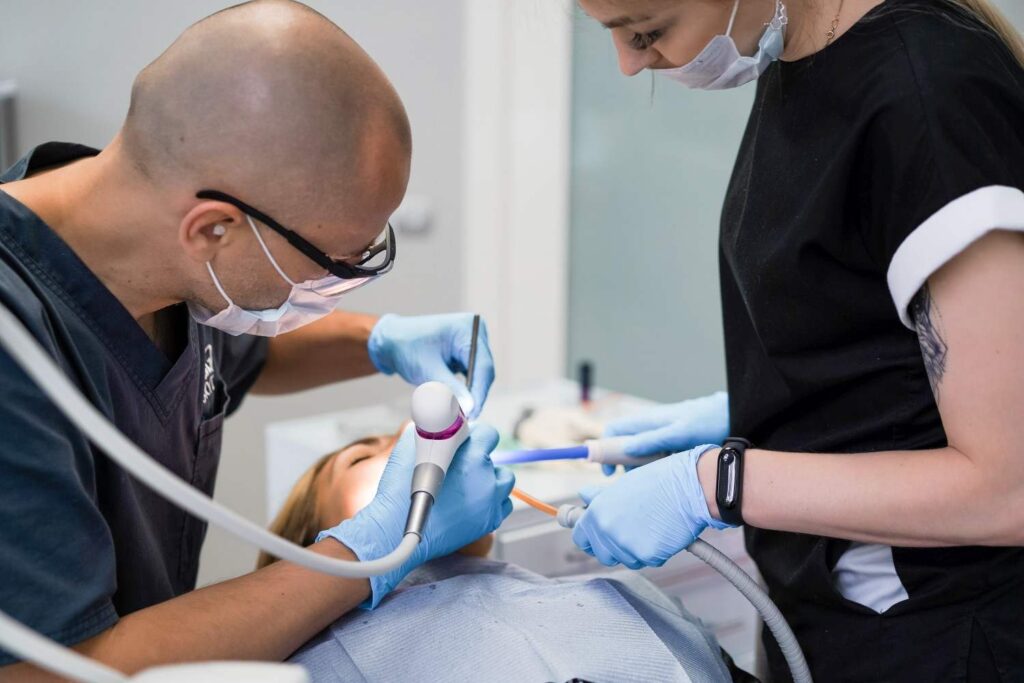
A root canal is usually associated with adults, but children and teenagers can need this treatment too. A deep cavity, dental injury, or infection can sometimes reach the pulp inside a tooth and cause significant damage.
For parents, hearing that their child needs a root canal can be worrying. It is natural to wonder whether the procedure is necessary or whether the tooth could simply be removed. The answer depends on the child’s age, the type of tooth involved, and how badly the tooth has been affected.
Understanding why treatment may be recommended can make the situation easier to manage.
For fast notification, contact us on WhatsApp.
Why Would a Child Need a Root Canal?
The inside of a tooth contains pulp, which includes nerves and blood vessels. When decay becomes very deep or an injury damages the tooth, the pulp can become inflamed or infected.
A dentist may recommend pulp treatment or root canal treatment when the damaged tissue cannot heal on its own.
Some common causes include:
- Extensive tooth decay
- A crack or fracture caused by an injury
- A blow to the mouth during sports or play
- Infection within the tooth
- Previous dental treatment that has affected the pulp
A cavity does not automatically mean a root canal is needed. If decay is found early, a simple filling may be enough. Treatment becomes more involved when the damage has reached the deeper part of the tooth.
Can Baby Teeth Need This Treatment?
Yes. Baby teeth can sometimes require pulp treatment when decay or injury has affected the inside of the tooth.
It may seem unnecessary to treat a tooth that will eventually fall out. However, baby teeth have important functions. They help children chew food, support speech development, and maintain space for the permanent teeth developing underneath.
If a baby tooth is removed much earlier than expected, the surrounding teeth may move into the empty space. Depending on the child’s dental development, this can create problems for the eruption of the permanent tooth.
The dentist therefore considers whether preserving the baby tooth is beneficial before recommending treatment.
What About Teenagers?
Teenagers have mostly permanent teeth, so the situation is different from that of younger children. If a permanent tooth develops severe decay or suffers a significant injury, the pulp may become damaged.
In such cases, saving the natural tooth is often considered before extraction.
A dentist will examine the tooth and may use dental X-rays to understand the extent of the problem. The treatment decision depends on factors such as the condition of the pulp, the surrounding tissues, and the stage of tooth development.
For parents looking for a Root Canal Treatment Clinic in Noida, a detailed examination is important because treatment should be based on the individual tooth rather than age alone.
What Signs Should Parents Look For?
Children may not always be able to explain exactly what is wrong with a tooth. A parent might notice behavioural changes before the child clearly reports pain.
Pay attention if your child:
- Complains of ongoing tooth pain
- Finds chewing uncomfortable
- Avoids using one side of the mouth
- Becomes sensitive to hot or cold foods
- Develops swelling near a tooth
- Has tenderness around the gums
- Shows discoloration in a tooth
- Wakes during the night because of dental pain
Sometimes a child may stop complaining even though the underlying problem remains. Pain can change as an infection progresses, so the disappearance of pain does not necessarily mean that the tooth has recovered.
Is a Root Canal Painful for a Child?
This is one of the most common concerns parents have.
Before treatment begins, the dentist uses local anesthesia to numb the area. The aim is to keep the child comfortable throughout the procedure.
The dentist may also explain the treatment in age-appropriate language so the child knows what to expect. A calm explanation can make a dental appointment feel much less intimidating.
Some tenderness may occur after treatment, but parents should follow the dentist’s aftercare instructions. If the child experiences severe or persistent discomfort, swelling, or other concerning symptoms, the dental team should be contacted.
Why Saving the Tooth Can Be Important
When possible, preserving a natural tooth has advantages over removing it. A healthy natural tooth can continue to perform its normal function and contribute to proper chewing.
For children, the timing of tooth loss also matters. Baby teeth play a role in maintaining the position of developing permanent teeth. For teenagers, preserving a permanent tooth may help maintain normal function and appearance.
However, saving every tooth is not always possible. If a tooth is too badly damaged, the dentist may discuss other options with the parents.
How Can Parents Reduce the Risk?
Many dental problems can be managed more easily when detected early.
Parents can help by making regular brushing part of the child’s routine and encouraging good oral hygiene. Limiting frequent sugary snacks and drinks can also support better dental health.
Sports-related injuries are another concern. Children who participate in activities where mouth injuries are possible may benefit from appropriate protective equipment.
Regular dental visits are useful because a dentist can identify developing cavities or other problems before they become severe.
When Should You Take Your Child to a Dentist?
Do not wait for severe pain if you notice a cavity, chipped tooth, swelling, or a change in the colour of a tooth. Early assessment gives the dentist an opportunity to determine how much of the tooth is affected.
If your child has persistent pain or swelling, arrange a dental examination promptly. The dentist can explain whether the tooth needs a filling, pulp treatment, root canal treatment, or another form of care.
Perfect Smile Multi Speciality can help parents understand the condition of their child’s tooth and the treatment options available after an appropriate dental evaluation.
Conclusion
Yes, children and teenagers can need root canal treatment. Deep decay, dental injuries, and infections can affect the pulp of both baby and permanent teeth. However, treatment is never decided simply because a child has tooth pain.
The condition of the tooth, the child’s stage of dental development, and the possibility of preserving the tooth all matter. Parents should therefore seek an examination rather than assuming that extraction is the only option.
If you are searching for a Root Canal Treatment Clinic in Noida, focus on finding professional dental care where your child’s tooth can be properly assessed and the treatment options clearly explained.