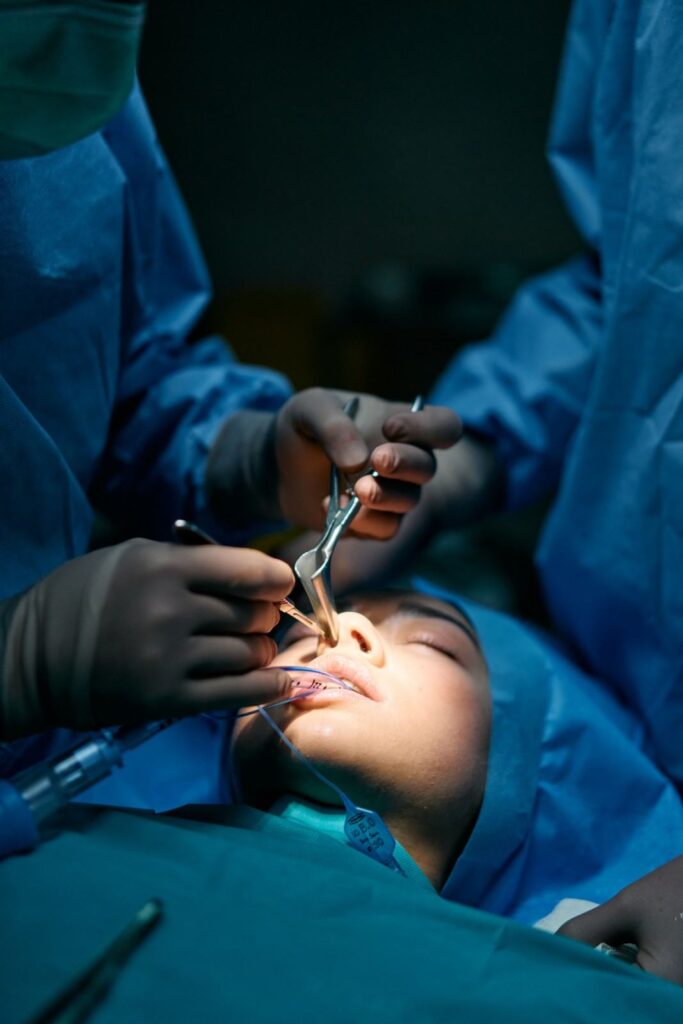
When a problem affects the mouth, jaw, face, or surrounding structures, you may need care beyond a routine dental appointment. A Maxillofacial Surgeon in Delhi NCR is trained to diagnose and treat a wide range of conditions involving the mouth, jaws, face, and related tissues. Understanding what these specialists treat can help you recognise when a consultation may be appropriate.
At Perfect Smile Multi Speciality, patients can discuss complex oral and facial concerns and understand which treatment options may be suitable for their individual condition. A proper evaluation is an important first step before deciding on any surgical or non-surgical treatment.
For fast notification, contact us on WhatsApp.
What Is a Maxillofacial Surgeon?
A maxillofacial surgeon specialises in conditions affecting the mouth, jaw, face, and associated facial structures. Their work can overlap with dentistry, oral surgery, and other medical specialties, depending on the condition being treated.
A consultation may involve a clinical examination, discussion of symptoms, and diagnostic imaging when necessary. The recommended treatment depends on the specific problem, its severity, and the patient’s overall needs.
Perfect Smile Multi Speciality focuses on helping patients understand their condition before proceeding with treatment.
What Conditions Does a Maxillofacial Surgeon Treat?
Jaw Problems and Facial Asymmetry
Jaw-related concerns can affect chewing, speaking, facial appearance, or the way the upper and lower teeth meet. Some patients may have an uneven bite or differences in jaw development.
A Maxillofacial Surgeon in Delhi NCR can assess these concerns and determine whether surgical management, orthodontic coordination, or another approach is appropriate.
Facial Trauma and Jaw Fractures
Accidents, falls, sports injuries, and other trauma can cause fractures involving the jaw or facial bones. Depending on the injury, treatment may involve stabilisation, surgical repair, or follow-up care.
Facial injuries should be assessed promptly, particularly when there is significant swelling, bleeding, difficulty opening the mouth, changes in the bite, or suspected bone damage.
Impacted Wisdom Teeth
Wisdom teeth do not always have enough space to emerge normally. An impacted tooth may remain partly or completely beneath the gum and can sometimes cause pain, inflammation, infection, or damage to nearby structures.
When removal is more complex than a routine extraction, a maxillofacial surgeon may evaluate the tooth and recommend an appropriate surgical approach.
Oral and Facial Cysts or Tumours
Some cysts and tumours can develop in the jawbone, mouth, or facial tissues. Not every growth is cancerous, but an unusual swelling, persistent lump, or unexplained change should be evaluated rather than ignored.
A specialist can assess the area and, when required, recommend imaging, biopsy, removal, or referral for further management.
Temporomandibular Joint Problems
The temporomandibular joints connect the jaw to the skull. Problems affecting these joints may be associated with jaw discomfort, restricted movement, clicking, or difficulty chewing.
Not every TMJ problem requires surgery. A specialist assessment can help identify the underlying issue and determine whether conservative care or further treatment should be considered.
When Should You Consult a Maxillofacial Surgeon?
You may consider a specialist consultation if you have:
- Persistent jaw pain or swelling
- Difficulty opening or closing your mouth
- A significant change in your bite
- A suspected jaw or facial fracture
- A complicated or impacted wisdom tooth
- Persistent swelling or a lump in the mouth or jaw
- Facial asymmetry related to jaw development
- A cyst or other abnormal lesion identified during an examination
- Ongoing problems following facial trauma
These symptoms do not automatically mean that surgery is necessary. The purpose of a consultation is to identify the cause and discuss suitable treatment options.
How Is a Maxillofacial Problem Diagnosed?
Diagnosis starts with understanding your symptoms and medical and dental history. The surgeon may examine your teeth, gums, jaw movement, facial structures, and affected area.
Depending on the concern, dental X-rays, panoramic imaging, CT scans, or other investigations may be recommended. The type of examination depends on the condition being evaluated.
Perfect Smile Multi Speciality encourages patients to discuss their symptoms clearly so that the evaluation can focus on the underlying concern rather than only the visible symptom.
What Can You Expect During a Consultation?
During a consultation with a Maxillofacial Surgeon in Delhi NCR, you can expect questions about your symptoms, how long they have been present, and whether they affect eating, speaking, breathing, or daily activities.
The specialist may explain the possible cause and discuss treatment choices. If surgery is recommended, the consultation should also cover the purpose of the procedure, expected recovery, and relevant risks.
At Perfect Smile Multi Speciality, understanding the diagnosis and available options can help patients make informed decisions about their oral and facial care.
Why Timely Evaluation Matters
Some jaw and facial conditions can become more complicated when left unassessed. For example, an untreated injury may affect the bite or healing of facial structures, while a persistent swelling may require investigation to identify its cause.
Seeking professional evaluation does not necessarily mean undergoing surgery. In many cases, the first step is simply obtaining an accurate diagnosis and understanding what options are available.
Frequently Asked Questions
What does a maxillofacial surgeon treat?
A maxillofacial surgeon may treat conditions involving the mouth, jaws, facial bones, and related structures. These can include jaw problems, facial trauma, impacted teeth, cysts, tumours, and selected TMJ conditions.
Do I need a referral to see a maxillofacial surgeon?
A referral may be recommended in some situations, particularly when another dentist or doctor identifies a condition requiring specialist assessment. However, the appropriate process can depend on the healthcare setting and individual circumstances.
Is maxillofacial surgery always required for jaw problems?
No. Treatment depends on the diagnosis. Some jaw-related conditions may be managed without surgery, while others may require a surgical procedure.
When should I seek help after a facial injury?
A facial injury should be professionally assessed when there is significant swelling, persistent pain, difficulty moving the jaw, bleeding, altered bite, or suspected damage to facial bones.
How do I find a Maxillofacial Surgeon in Delhi NCR?
Look for a qualified specialist who can assess your specific oral or facial concern and explain the available treatment options. Perfect Smile Multi Speciality can be considered for consultation when you need specialist evaluation for a maxillofacial concern.
Conclusion
Problems involving the jaw, face, mouth, and facial bones can have different causes and may require specialised assessment. A Maxillofacial Surgeon in Delhi NCR can evaluate complex oral and facial conditions and help determine whether observation, non-surgical care, or surgery is appropriate.
If you are experiencing persistent jaw discomfort, facial swelling, a complicated dental problem, or symptoms following an injury, seeking a professional evaluation can help you understand the condition and available next steps. Perfect Smile Multi Speciality aims to provide patients with clear information so they can approach their treatment decisions with a better understanding of their oral and facial health.